 *
*
 In Greek mythology, Atlas is a Titan condemned to hold up the heavens or sky for eternity after the Titanomachy. Atlas also plays a role in the myths of two of the greatest Greek heroes: Heracles (Hercules in Roman mythology) and Perseus. According to the ancient Greek poet Hesiod, Atlas stood at the ends of the earth in extreme west.
*
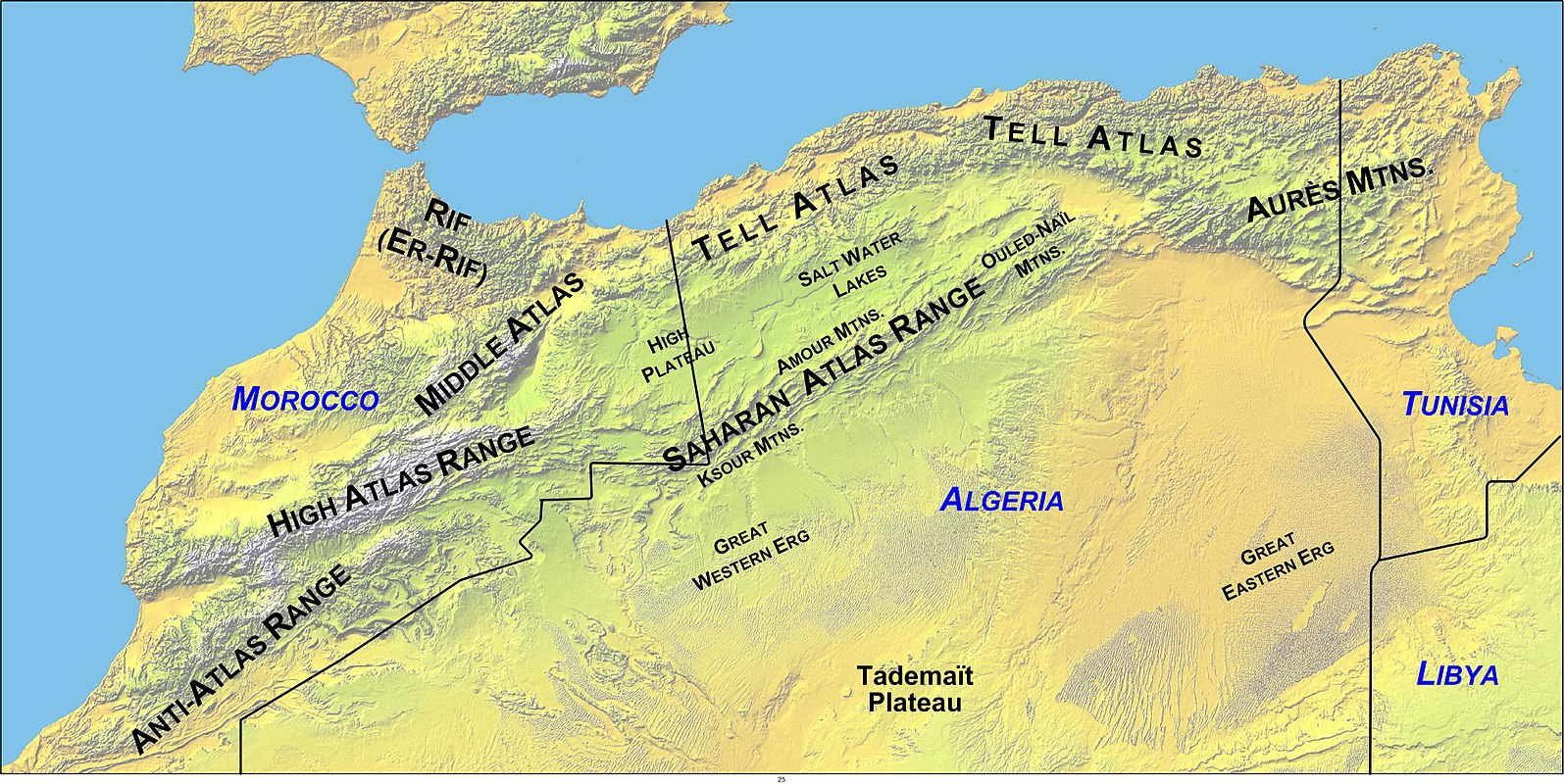
Later, he became commonly identified with the Atlas Mountains in northwest Africa and was said to be the first King of Mauretania. Atlas was said to have been skilled in philosophy, mathematics, and astronomy. In antiquity, he was credited with inventing the first celestial sphere. In some texts, he is even credited with the invention of astronomy itself.
https://en.m.wikipedia.org/wiki/Atlas_(mythology)
RELATED
Atlantis – the Richat Structure near Ireland Western Africa
Rotsformasies – Rocks – NAZCA lines – Richat structure
In Greek mythology, Atlas is a Titan condemned to hold up the heavens or sky for eternity after the Titanomachy. Atlas also plays a role in the myths of two of the greatest Greek heroes: Heracles (Hercules in Roman mythology) and Perseus. According to the ancient Greek poet Hesiod, Atlas stood at the ends of the earth in extreme west.
*
Later, he became commonly identified with the Atlas Mountains in northwest Africa and was said to be the first King of Mauretania. Atlas was said to have been skilled in philosophy, mathematics, and astronomy. In antiquity, he was credited with inventing the first celestial sphere. In some texts, he is even credited with the invention of astronomy itself.
https://en.m.wikipedia.org/wiki/Atlas_(mythology)
RELATED
Atlantis – the Richat Structure near Ireland Western Africa
Rotsformasies – Rocks – NAZCA lines – Richat structure
 https://en.m.wikipedia.org/wiki/Mauretania
*
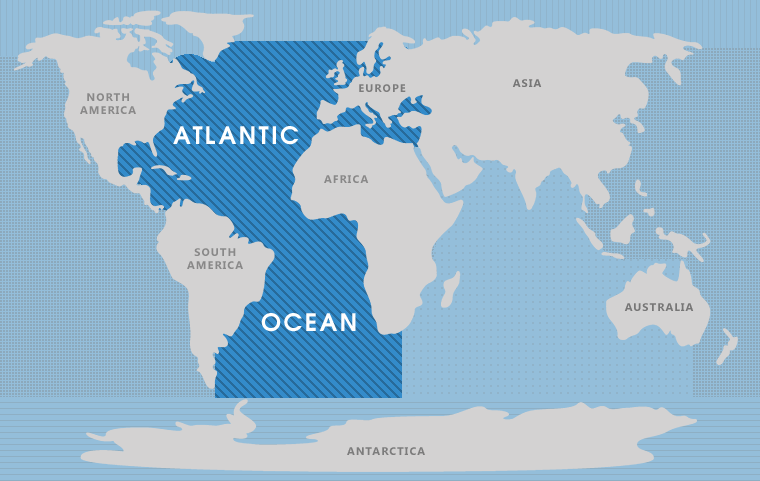
Die Atlantiese Oseaan is die tweede grootste oseaan na die Stille Oseaan. Dit het ‘n oppervlakte van 106, 460,000 vierkante kilometer of 41,100,000 vierkante myl. 23,5% van die aardoppervlakte (20% volgens Wikipedia) word deur die Atlantiese Oseaan bedek. Die wasbak is langwerpig en S-vormig. Die naam Atlantiese Oseaan is vir die eerste keer in die era van Herodotus in Antieke Griekeland omstreeks 450 vC gebruik, en het die betekenis daarvan uit die Griekse mitologie. In die Griekse taal word “Atlanties” losweg vertaal as “die eiland Atlas” of “see van Atlas”.
*
Atlantis has been located in many places including Antarctica, Saudi Arabia, Crete and Thera, India, Iran (Persia), Indonesia and even Mars. But if one is to take Plato’s story literally, it has to be in the Atlantic ocean.
There is no proof a sunken continent existed but plenty proof of the real Atlantis in the form of the ancient Mexican civilisations especially the Mayans. Some look to Atlantis to be more of an ocean civilisation than a continent and this civilisation linked Ireland to West Africa to the coasts of North and South America.
What if Atlantis is not “LAND”? but sea !
https://en.m.wikipedia.org/wiki/Mauretania
*
Die Atlantiese Oseaan is die tweede grootste oseaan na die Stille Oseaan. Dit het ‘n oppervlakte van 106, 460,000 vierkante kilometer of 41,100,000 vierkante myl. 23,5% van die aardoppervlakte (20% volgens Wikipedia) word deur die Atlantiese Oseaan bedek. Die wasbak is langwerpig en S-vormig. Die naam Atlantiese Oseaan is vir die eerste keer in die era van Herodotus in Antieke Griekeland omstreeks 450 vC gebruik, en het die betekenis daarvan uit die Griekse mitologie. In die Griekse taal word “Atlanties” losweg vertaal as “die eiland Atlas” of “see van Atlas”.
*
Atlantis has been located in many places including Antarctica, Saudi Arabia, Crete and Thera, India, Iran (Persia), Indonesia and even Mars. But if one is to take Plato’s story literally, it has to be in the Atlantic ocean.
There is no proof a sunken continent existed but plenty proof of the real Atlantis in the form of the ancient Mexican civilisations especially the Mayans. Some look to Atlantis to be more of an ocean civilisation than a continent and this civilisation linked Ireland to West Africa to the coasts of North and South America.
What if Atlantis is not “LAND”? but sea !
Another Atlantis theory is Atlantis is NOT a continent but is an ocean. Some say Poseidon the sea god lives there under the sea and that Atlantis is an underwater civilisation. Others then say Atlantis is the Atlantic ocean and its islands like the Azores, Canaries, Madeira, Cape Verde, etc. to the Southeast, Ireland, Britain and Iceland, etc. to the Northeast and the Caribbean islands to the West.
One final theory is the naming of places. The Atlas mountains in Africa are named after the Greek titan of the same name who also gives Atlantis its name. Atlantis means island of Atlas. The name of the ocean, Atlantic comes also from this. The titan Atlas has been long associated with sea and lands. Now, this brings us to the Mesoamerican word atl which means water and Aztlan which means white place (could also mean clear place, i.e. watery place). Common namings like this could relate to contact between seafaring peoples.
* Aztlán (also spelled Aztlan or sometimes Aztalan) is the name of the mythical homeland of the Aztecs, the ancient Mesoamerican civilization also known as the Mexica. According to their origin myth, the Mexica left Aztlan at the behest of their god/ruler Huitzilopochtli, to find a new home in the Valley of Mexico * Atlantic Ocean The second-largest ocean on Earth, the Atlantic drives our weather patterns, including hurricanes, and is home to many species from sea turtles to dolphins. Scientists and geographers broadly separate the Atlantic in terms of north and south. The North Atlantic and South Atlantic each have distinct ocean currents that influence weather around the world. Water currents and gyres The ocean doesn’t sit still like water in a sink. It moves more like a conveyer belt that’s driven by changes in temperature and salinity over large areas. Both quick-moving surface currents and slower-moving deep ocean currents circulate water around the globe. The seawater is constantly trying to find a balance. Warm water is less dense than cold water, so as water cools, it sinks, and warm water replaces it. Water with high salinity—more salt—also moves into waters with lower salinity. Those factors drive the conveyer belt, a process also called thermohaline circulation. Warm water is heated by the Gulf Stream, a warm air current that originates in the Gulf of Mexico. The warm water then moves north, where it forces cooler water to sink and move south. As the current moves toward Antarctica, upwelling pushes cold water back to the surface, pushing the watery conveyer belt around the world. Scientists estimate that it takes the conveyer belt about 500 years to make one trip. Hurricanes Without Africa’s Sahara Desert, few hurricanes would strike the eastern coast of North America. That’s because a wind stream called the African Easterly Jet is formed from the difference in the Sahara’s dry, hot air and the humid cooler air to the west and south. The jet pushes westerly winds over Africa’s west coast, where they some times pick up ocean water and form thunderstorms. https://www.nationalgeographic.com/environment/oceans/reference/atlantic-ocean/ * When architecture around the world inexplicably aligns astrologically, and ancient artifacts hold mysteries archaeologists struggle to definitively unravel, truth seekers go to work. Could extraterrestrial astronauts be the missing link? R e-examine humanity’s historical narratives with legendary ufologist Erich von Däniken. https://www.gaia.com/lp/beyond-the-legend?utm_source=host&utm_medium=evd&utm_campaign=st-beyondthelegend&utm_content=zohardiscoveries&utm_term=youtube&ch=st * RELATED INFORMATION Nazca lines Peru Die oog van Afrika (Richat) Rotsformasies – Rocks – NAZCA lines – Richat structure Atlantis, the Richat Structure , near Ireland – Western Africa Macaronesiese eilande (moontlik deel van Atlantis) Fjord in Namibia Sahara secrets Hoggar gebergtes, Sahara Algerië Tamanrasset-rivier Sahara Sahara – Libya’s Forbidden Deserts Sahara – Wadi Takarkori region * Contact Admin: Admin kan gekontak word by volksvryheid9@gmail.com
 ONAFHANKLIK
[…] Atlantic Ocean […]
LikeLike
[…] Atlantic Ocean […]
LikeLike
[…] Atlantic Ocean […]
LikeLike
[…] Atlantic Ocean […]
LikeLike
[…] the Richat Structure , near Ireland – Western AfricaAtlantic OceanNazca lines […]
LikeLike
[…] Atlantic Ocean […]
LikeLike
[…] Atlantic Ocean […]
LikeLike