*
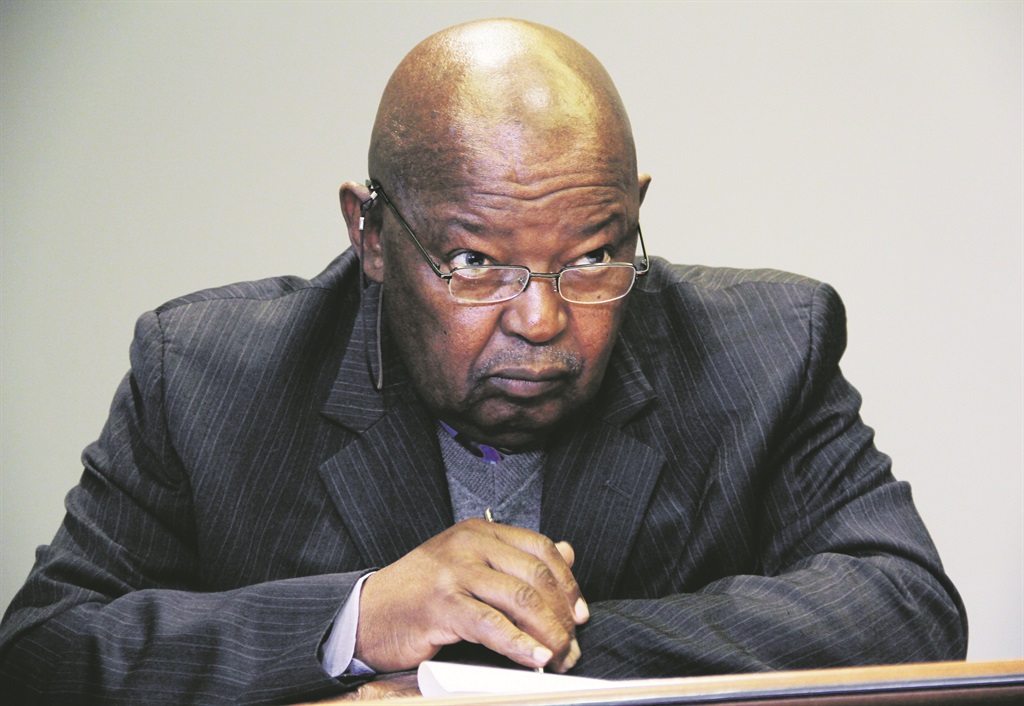
SWART bemagtiging en REGstellende aksie is nie net ‘n beleid nie, dis Nasionale WETgewing wat op alle vlakke van regering, staatsdentiteite en besighede toegepas word. Kyk waar sit ons vandag – ‘n staat wat verval het en infrastrukture wat vernietig is. Toe hy Minister van Verdediging in die ANC kabinet, was het hy die Kommando stelsel met Thabo Mbeki laat verwyder. Plek is gemaak vir “regstellende aksie” wat nog minder werk (employment equity – refer to legislation in the article) – lees die Hansard en Jaarverslae hieroor.
*
Dus het dit ook gegaan oor swart bemagtiging en nie om enige Boer of plaasbewoners te beskerm nie. Dis waaroor die Kommando gegaan het – beskerming. Die polisie ontken al die plaasaanvalle en -moorde.
Vandag het die ANC ‘n groot weermag wat betekenisloos is. Elke minister maak aanspraak op en gebruik 24/7 veiligheidswagte en blouligte. Die vraag ontstaan vir wie is ministers bang as hulle kommando sisteem wat gewerk het, afskaf?
Die huidige regering is verantwoordelik vir moorde, aanvalle, verkragtings en misdaad in die land – die regering beheer ALLES.
Hulle ontken plaasaanvalle en plaasmoorde ten sterkte dat dit nie bestaan n nie. Dit word juis so gedoen, dat hul hul hande in onskuld was dat dit as gewone moorde en aanvalle beskou word. Hierdie is niks anders as volksmoord onder ons Boere volk nie, want hul het sedert 1994 ook ‘n stokkie gesteek teen onderrig in Afrikaans op skole en universiteite.
*
LIBERALE AFRIKANERS EN KOMMUNISTE HET SWART BEMAGTIGING EN REGSTELLENDE AKSIE UITGEDINK, SLEGS OM HULSELF TE BEVOORDEEL.
SWART BEMAGTIGING IS DEUR DIE AFRIKANERBOND EN AFRIKANER ORGANISASIES GESTEUN EN INGESTEL IN SUID-AFRIKA. WIE BEHEER DIE AFRIKANERBOND EN AFRIKANER ORGANISASIES – DIE ANC EN DIE HELE PARLEMENT OF HOE?
Wetgewing
Wat is regstellende aksie?
Verwys na die Wet op Gelyke Indiensneming
Is van toepassing op alle werkgewers en werkers en beskerm werkers en werksoekers teen onbillike diskriminasie, en verskaf ook ‘n raamwerk vir die implementering van regstellende aksie.
Die Wet op Gelyke Indiensneming is van toepassing op alle werkgewers, werkers en werksaansoekers, maar nie lede van die –
Nasionale Weermag;
Nasionale Intelligensie-agentskap; en
Suid-Afrikaanse Geheime Diens.
Die bepalings vir regstellende aksie is van toepassing op –
werkgewers met 50 of meer werkers, of wie se jaarlikse inkomste meer is as die bedrag gespesifiseer in Bylae 4 van die Wet;
munisipaliteite;
staatsorgane;
werkgewers wat deur ‘n bedingingsraadsooreenkoms beveel is om te voldoen;
enige werkgewers wat vrywillig is om daaraan te voldoen.
+
Die tweede uitgawe van die betrokke wetgewing is opgedateer om wetswysigings en ontwikkelings in die regspraak in te sluit sedert die publikasie van die gewilde eerste uitgawe in 2009.
Om die Wet op Gelyke Indiensneming te verstaan, handel oor een van die mees innoverende instrumente van die sogenaamde post-apartheid arbeidsmarkregulering, die Wet op Gelyke Indiensneming, 1998 (EEA). Die doel van die EEA is nie net om die wanbalanse wat deur (sogenaamde) apartheid veroorsaak word reg te stel nie, dit poog ook om onbillike diskriminasie te bekamp en om ‘n raamwerk vir gelyke geleenthede in indiensneming te verskaf. In praktyk gebeur dit glad nie.
Hierdie boek is ‘n toeganklike, nie-wettiese kommentaar op die EEA. Belangrike areas soos definisies, doeleindes, interpretasie, onbillike diskriminasie, regstellende aksie, monitering en afdwinging word gedek. Om die Wet op Gelyke Indiensneming te verstaan, stel ook sleutelbepalings van die EWG sistematies uiteen, met leidende sake en gereelde vrae (Gereelde Vrae) om begrip te help.
*
What is Employment equity?
Employment Equity Act
Applies to all employers and workers and protects workers and job seekers from unfair discrimination, and also provides a framework for implementing affirmative action.
- National Defence Force;
- National Intelligence Agency; and
- South African Secret Service.
The provisions for affirmative action apply to –
- employers with 50 or more workers, or whose annual income is more than the amount specified in Schedule 4 of the Act;
- municipalities;
- organs of State;
- employers ordered to comply by a bargaining council agreement;
- any employers who volunteer to comply.
http://www.labour.gov.za/DOL/legislation/acts/employment-equity/employment-equity-act
**
This second edition of Understanding the Employment Equity Act has been updated to include legislative amendments and developments in the case law since the publication of the popular first edition in 2009.
Understanding the Employment Equity Act deals with one of the most innovative instruments of post-apartheid labour market regulation, the Employment Equity Act, 1998 (EEA). The implicit aim of the EEA is not only to redress the imbalances caused by apartheid, it also seeks to combat unfair discrimination and to provide a framework for equal opportunity in employment.
This book is an accessible, non-legalistic commentary on the EEA. Important areas such as definitions, purposes, interpretation, unfair discrimination, affirmative action, monitoring and enforcement are covered. Understanding the Employment Equity Act also sets out key provisions of the EEA systematically, with leading cases and frequently asked questions (FAQs) to aid understanding.
https://juta.co.za/products/10122-understanding-the-employment-equity-act/
*
*
*
Employment Equity Act
The purpose of the Employment Equity Act, No 55 of 1998 is to achieve equity in the workplace by promoting equal opportunity and fair treatment in employment through elimination of unfair discrimination and implementing affirmative action measures to redress the disadvantages in employment experienced by designated groups, in order to ensure equitable representation in all occupational categories and levels in the workforce.
This Act provides for additional reporting requirements employers with the additional burden of submitting an Employment Equity Report.
All designated employers must, in terms of Section 21 of the Employment Equity Act of 1998 submit their annual report annually. The next reporting deadline for 2018 is 1 October 2018, if you submit manually or by post. Reports cannot be submitted via e-mail or fax.
The Department of Labour has also launched an Employment Equity Online Reporting System where reports can be submitted electronically. The deadline for online submissions for the 2018 reporting period is 15 January 2019. To complete the online report, please visit the Department of Labour’s website and register for the on-line reporting.
On 21 July 2014 the President signed the Employment Amendment Act, No 47 of 2013. This Amendment Act became effective on 1 August 2014.
Legislation
Acts
Please visit the Contemporary Gazette page for access to a legal database
- Employment Equity Act, No 55 of 1998.
- Employment Equity Amendment Act, No 47 of 2013
- Commencement of the Employment Equity Amendment Act
Bill
- Employment Equity Amendment Bill (comments due by 20 November 2018) (332Kb PDF)
Regulations
- Public comment: Draft Employment Equity Regulations, 2018, comments due by 20 November 2018 (1Mb PDF)
- Code of Good Practice on the Preparation, Implementation and Monitoring of the Employment Equity Plan (200Kb PDF)
- Employment Equity Regulations, 2014 (3MB PDF)
- Code of Good Practice on Equal Pay/ Remuneration for work of Equal Value (660 Kb PDF)
- Code of Good Practice on Employment of Persons with Disabilities (2Mb PDF)
Information
- 2018 EE report deadline looming (194Kb PDF)
- Guidance released by Department of Labour on Employment Equity On-Line Reporting (7MB PDF)
- Summary of the Employment Equity Act (75Kb PDF)
*****
*
*
*
*
*
In realiteit gebeur dit nie.
JAARVERSLAG / ANNUAL REPORT
Die politieke stabiliteit in Suid-Afrika en die toenemende kapasiteit van die Suid-Afrikaanse Polisiediens (SAPD) het die uitfasering van die Weermag Territoriale Reserwes (Commandos) moontlik gemaak.
P4
The political stability in South Africa and the increasing capacity of the South African Police Service (SAPS) have made the phasing out of the Army Territorial Reserves (Commandos) possible.
Wat strukturering betref, het die SA Weermag, in ooreenstemming met sy kernfunksies en bekostigbaarheid, vordering gemaak met die uitfasering van die Kommando’s. Dit wag tans op die SA Polisiedienstoegangstrategie voordat die uitfasering gefinaliseer kan word.
P69
In terms of structuring, the SA Army has, in accordance with its core functions and affordability, made progress in the phasing out of the Commandos. It is currently awaiting the SA Police Service Entry Strategy before the phasing out can be finalised.
Vordering is ook gemaak met betrekking tot die uitfasering van die Kommando’s oor die tydperk FY2004/05 tot FY2008/09.
P70
Progress was also made regarding the phasing out of the Commandos over the period FY2004/05 to FY2008/09.
https://www.gov.za/sites/default/files/dod_0304_0.pdf
https://www.gov.za/sites/default/files/gcis_document/201409/defence05060.pdf
>
HANSARD OF PARLIAMENT
07 February 2005
Withdrawal of SANDF Commandos in Support of SAPS, SANDF Employment Equity; Swartklip Products Committee Report
Met insette van Minister Lekota en SAPD het brigadier-generaal Haremse die Komitee ingelig oor die onttrekking van SA Nasionale Weermag (SAW) kommando’s ter ondersteuning van die SA Polisiedienste (SAPD). Minister Lekota het die belangrikheid van hierdie onttrekking tot die proses van demokratisering beklemtoon. Dit was noodsaaklik dat die proses gedurende sy sewe fases (wat in 2009 sou eindig) geen vakuum gelaat het nie. Vertragings is verwag. Die groot uitdaging was om ‘n stelsel op te stel wat lede van die kommando’s wat op vergoeding vir hul dienste staatgemaak het, sou absorbeer.
SAPD was van plan om ‘n gereformeerde kategorie D reservistegroep te skep om hierdie uitdaging die hoof te bied, maar daar was nog probleme om uit te werk.
Dr M Ledwaba, brigadier-generaal A De Wit en kolonel D Monethi het die komitee oor diensbillikheid in die departement ingelig. Die groot uitdaging, waaruit ‘n aantal ander uitdagings voortgespruit het, was om ‘n geskikte uittreemeganisme te skep wat lede van aftree-ouderdom in staat sou stel om die mag met toepaslike voordele te verlaat. Die vertraging in hierdie proses in die Militêre bedingingskamer het beteken dit was moeilik om swart personeel na middelbestuursposte te bevorder waar daardie rassegroep onderverteenwoordig was.
Brigadier-generaal Haremse het die doel van die proses as ‘funksionele suiwering’ beskryf. Dit sou in sewe fases geaffekteer word, wat in 2009 eindig. SANW/SAPD was besig om fase 2 uit te voer, wat onttrekking van die Namibiese en Botswana grense en van Rooibokskraal en Swartwater operasionele basisse behels het.
Sewentien territoriale reserwe-eenhede sou gesluit word, waarvan een eenheid in elke provinsie as ‘n loodsprojek sou dien. Die syfers vir die jaarlikse onttrekking van eenhede is so uitgewerk dat daar geen vakuum in enige area sou wees nie. Brigadier-generaal Harmese het beklemtoon dat die onttrekkings moontlik vertraag kan word in sekere gebiede waar die SAPD nie gereed was om oor te neem nie. ’n Gesamentlike SAPD/SANW-implementeringspan het tans deur provinsies getoer om te verseker dat planimplementering nie kragvakuums tot gevolg sal hê nie.
/
With inputs from Minister Lekota and SAPS, Brigadier-General Haremse briefed the Committee on the withdrawal of SA National Defence Force (SADF) commandos in support of the SA Police Services (SAPS). Minister Lekota stressed the importance of this withdrawal to the process of democratisation. It was imperative that the process left no vacuums throughout its seven phases (due to end in 2009). Delays were expected. The major challenge was setting up a system that would absorb members of the commandos who relied on remuneration for their services. SAPS intended creating a reformed Category D reservist group to meet this challenge, but there were still issues to work out. Dr M Ledwaba, Brigadier General A De Wit and Colonel D Monethi briefed the Committee on employment equity in the Department. The major challenge, from which a number of other challenges derived, was to create a suitable exit mechanism that would allow members of retirement age to leave the force with appropriate benefits. The delay in this process in the Military bargaining chamber meant it was difficult to promote black staff to middle management positions where that racial group was under represented.
Brigadier-General Haremse described the aim of the process as ‘functional purification’. This would be affected in seven phases, ending in 2009. SANDF/SAPS were executing phase 2, which involved withdrawal from the Namibian and Botswana borderlines and from Rooibokskraal and Swartwater operational bases. Seventeen territorial reserve units would be closed down, of which one unit in each province would serve as a pilot project. The figures for yearly withdrawal of units had been worked out so that there would be no vacuum in any area. Brigadier-General Harmese stressed that the withdrawals might be delayed in certain areas where the SAPS were not ready to take over. A joint SAPS/SANDF implementation team was currently touring provinces to ensure that plan implementation would not result in power vacuums.
*
*
*
*
*
Departement Gelyke Indiensneming
Kolonel D Monethi het die departement se beleidsraamwerk, strategiese voorneme, billikheidsmoniteringsmeganismes, intervensies en uitdagings beskryf.
Brigadier-generaal A De Wit het die aandag gevestig op ‘n volgehoue onderverteenwoordiging van swart personeel in middelbestuursposte (luitenant-kolonel, kolonel, brigadier-generaal). As gevolg van die Departement se historiese erfenis was daar ‘n ooreenstemmende onderverteenwoordiging van wit personeel in intreevlakposte en ‘n algemene onderverteenwoordiging van vroue, veral in senior bestuursposte.
‘n Kritieke probleem was die afwesigheid van ‘n geskikte uittreemeganisme. Dit het meegebring dat baie lede nie die Departement kon verlaat nie, wat dit moeilik gemaak het om swart personeel tot middelbestuursposte te bevorder. Ten spyte van hierdie probleme, is vordering gemaak.
/
Department Employment Equity
Colonel D Monethi described the Department’s policy framework, strategic intent, equity monitoring mechanisms, interventions and challenges.
Brigadier-General A De Wit drew attention to a persistent under-representation of black staff in middle management positions (Lieutenant-Colonel, Colonel, Brigadier-General). Owing to the Department’s historical inheritance, there was a corresponding under-representation of white staff in entry level positions and a general under-representation of women, especially in senior management positions.
A critical problem was the absence of a suitable exit mechanism. This meant that many members could not leave the Department, which made it difficult to promote black staff to middle management positions. In spite of these problems, progress had been made.
https://pmg.org.za/committee-meeting/4763/
>
LEKOTA
Mnr Lekota is leier van die Congress of the People (COPE). Hy het in Kroonstad, Vrystaat, grootgeword. Hy is uit die Universiteit van die Noorde geskors weens sy politieke betrokkenheid by die Studenteraad en die Swartbewussynsbeweging. Terwyl hy die verkose Permanente Organiseerder vir die Suid-Afrikaanse Studente-organisasie (SASO) was, is hy in 1974 op Robbeneiland gevange geneem. Na sy vrylating in 1983 was hy een van die beskuldigdes in die 1985-Delmas-verraadverhoor en vir nog vier jaar in die tronk. Mnr Lekota het gedien as die premier van die Vrystaat, die Voorsitter van die Nasionale Raad van Provinsies en Minister van Verdediging
/
Mr Lekota is leader of the Congress of the People (COPE). He grew up in Kroonstad, Free State. He was expelled from the University of the North due to his political involvement with the Student Representative Council and the Black Consciousness Movement. While the elected Permanent Organiser for the South African Students’ Organisation (SASO), he was imprisoned on Robben Island in 1974. Following his release in 1983, he was one of the defendants in the 1985 Delmas Treason Trial and imprisoned for four more years. Mr Lekota has served as the premier of the Free State, the Chairperson of the National Council of Provinces and Minister of Defence
https://www.pa.org.za/person/mosiuoa-gerard-patrick-lekota/
*
*
*
*
*
2018 SEPTEMBER
Die Departement van Arbeid het aangekondig dat hulle op 21 September 2018 die Wysigingswetsontwerp op Billike Indiensneming en die Konsepregulasies vir Billike Indiensneming sal publiseer in reaksie op die stadige pas van transformasie in die werkplek.
Die Wysigingswetsontwerp stel artikel 53 van die Wet op Gelyke Indiensneming (RA) (Regstellende aksie) bekend, wat sedert die totstandkoming van die Wet in 1998 nooit gepromulgeer is nie.
Die voorgestelde wysigings is hoofsaaklik daarop gemik om die minister van arbeid te bemagtig om die stel van sektorspesifieke RA-numeriese teikens en die kriteria vir die assessering van voldoening vir die uitreiking van RA-sertifikate van voldoening kragtens Artikel 53 van die RA te reguleer.
Hierdie wetsontwerp word ‘aangevul’ deur die konsep RA-regulasies, wat die bepalings van die wetsontwerp uitpak en implementeringsriglyne en hulpmiddels verskaf.
“Verlede jaar het ons genoeg van die ontleding gesê en ons die voorloper laat styg. Dit was om hierdie rede dat ons verlede jaar aangekondig het dat ons van voorneme is om artikel 53 van die Wet af te kondig, tesame met die verbetering van die kapasiteit van ons inspeksie en toepassing,” het minister van arbeid, Mildred Oliphant, gesê.
Sy het bygevoeg dat haar departement sal begin konsulteer deur middel van openbare verhore wat gedurende Oktober 2018 in al nege provinsies gehou sal word om publieke bewustheid te verhoog en mondelinge vertoë oor die voorgestelde wysigings en die konsep RA-regulasies te werf.
Die departement se kommer is die stadige pas van transformasie wat bestaan soos uitgebeeld in die kwartaallikse verslae oor demografie van die Ekonomies Aktiewe Bevolking (EAP) wat deur Statistieke Suid-Afrika vrygestel is .
Die Kommissie vir Gelyke Indiensneming (KRA) se jaarverslae het herhaaldelik ‘n marginale vordering getoon met betrekking tot die billike verteenwoordiging van die aangewese groepe, in die besonder, Afrikane, kleurlinge en persone met gestremdhede in die middel-tot-hoër beroepsvlakke.
Die RA-jaarverslae wat van 2001 tot 2017 ingedien is, het getoon dat die openbare sektor aansienlike vordering van transformasie getoon het in vergelyking met die private sektor, selfs al is vroue in die openbare sektor onderverteenwoordig wanneer hulle 45,3% van die WHP in ag geneem word.”
SEPTEMBER 2018
The Department of Labour has announced that it will publish the Employment Equity Amendment Bill and the Draft Employment Equity Regulations on Friday (21 September) in response to the slow pace of transformation in the workplace.
The Amendment Bill introduces Section 53 of the Employment Equity Act (EEA), which was never promulgated since the inception of the Act in 1998.
The proposed amendments are primarily aimed at empowering the minister of labour to regulate the setting of sector-specific EE numerical targets and the criteria for the assessment of compliance for the issuing of EE Certificates of Compliance under Section 53 of the EEA.
This bill is ‘complemented’ by the draft EE regulations, which unpack the provisions of the bill and provide implementation guidelines and tools.
“Last year we said enough of the analysis and let us up the ante. It was for this reason that we announced last year that we intend to promulgate section 53 of the Act, coupled with enhancing the capacity of our inspection and enforcement,” said minister of labour, Mildred Oliphant.
She added that her department will start consulting through public hearings that will be conducted in all nine provinces during October 2018 to raise public awareness and solicit oral representations on the proposed amendments and the draft EE regulations.
“The department’s concern is the slow pace of transformation that is existing as portrayed in the quarterly reports on demographics of the Economically Active Population (EAP) released by Statistics South Africa,” it said in a statement on Friday.
“The Commission for Employment Equity (CEE) annual reports has repeatedly shown a marginal progress in relation to the equitable representation of the designated groups, in particular, Africans, coloureds and persons with disabilities in the middle-to-upper occupational levels.
“The CEE Annual reports submitted from 2001 to 2017 showed that the public sector presented significant progress of transformation as compared to the private sector, even though women in the public sector are underrepresented when taking into account their 45.3% of the EAP.”
https://businesstech.co.za/news/business/272997/government-to-implement-major-employment-equity-changes-to-speed-up-transformation/
*
VERWANTE INLIGTING
Lekota – Ramaphosa in Parliament 13/2/2019
Kommando sisteem – Commando system
Thabo Mbeki stel die Kommando sisteem af
7 February 2005 discussions in parliament
Volgens die ANC groepe was daar nie gelykheid nie. Maar die moorde en aanvalle het bewys gelewer dat die Kommando sisteem gewerk het al van toeka af. Dit is 2005. Watse gelykheid is daar vandag, ons het bykans GEEN weermag om ons te verdedig nie. Na die Wapenskandaal sit ons met absoluut niks.
Wapenskandaal – Arms deals
With inputs from Minister Lekota and SAPS, Brigadier-General Haremse briefed the Committee on the withdrawal of SA National Defence Force (SADF) commandos in support of the SA Police Services (SAPS). Minister Lekota stressed the importance of this withdrawal to the process of democratisation. It was imperative that the process left no vacuums throughout its seven phases (due to end in 2009). Delays were expected. The major challenge was setting up a system that would absorb members of the commandos who relied on remuneration for their services. SAPS intended creating a reformed Category D reservist group to meet this challenge, but there were still issues to work out.
https://pmg.org.za/committee-meeting/4763/
*
Contact Admin:
Admin kan gekontak word by
volksvryheid9@gmail.com


[…] Kommando sisteem […]
LikeLike
[…] Toe hy Minister van Verdediging was het hy die Kommando stelsel met Thabo Mbeki laat verwyder. Kommando […]
LikeLike
[…] Kommando […]
LikeLike
[…] Kommando […]
LikeLike
[…] Kommando […]
LikeLike
[…] Kommando […]
LikeLike
[…] Toe hy Minister van Verdediging was het hy die Kommando stelsel met Thabo Mbeki laat verwyder. Kommando […]
LikeLike
[…] Kommando […]
LikeLike
[…] Kommando […]
LikeLike
[…] Kommando […]
LikeLike
[…] Kommando […]
LikeLike