Moenie enige terreurdade goedkeur nie. Indien iemand ‘n klip optel om dood te gooi beteken dit selfverdediging mag inskop. Daar is al baie motorryers doodgegooi met bakstene, en dis onregverdig dat elke protesaksie motorbande brand, wat alles besoedel. Dis nie vreedsaam om ‘n baksteen of klip op te tel om te beseer nie nog minder is dit vreedsaam om brande te stig. Dis terreur.
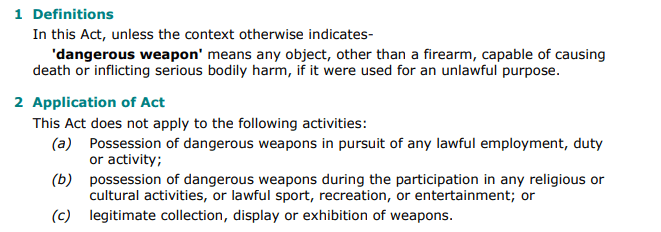
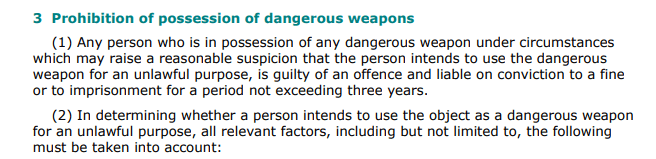
Why must the terrorists throw stones or bricks – is against the law – again the police officers do have a job against the this terrorists – they are criminals and do what they want to do. The Dangerous Weapons Act 15 of 2013 (“the Act”) was signed into law by President Jacob Zuma in July last year and came into force earlier this month. The Act prohibits the carrying of dangerous weapons such as pangas, metal pipes, kieries, rocks and spears at public protests and strikes.

***
***
Durban – The search for those responsible for an overhead bridge rock-throwing incident – which led to the death of two siblings – has not yet yielded any arrests, despite the reward for any information growing to R250 000. Police spokesperson Captain Nqobile Gwala told The Mercury on Monday that police were appealing to the public for any information in connection with the incident. “Investigations are continuing but no arrests have yet been made.” Amina Haffejee, 16, and her 7-year-old brother, Abdur Raheem, were killed in the incident on the N2 near Ballito on Wednesday last week. https://www.iol.co.za/news/south-africa/kwazulu-natal/reward-for-information-on-tragic-n2-rock-throwing-incident-rises-to-r250k-12586165
***
https://www.iol.co.za/news/south-africa/gauteng/rock-throwing-robbers-a-new-scourge-12727325
***

***
The Act replaces all the old dangerous weapons acts that existed in the provinces and former homelands.
The application of the Act has become a topic of contention on the basis that the carrying of these items in public was, in terms of the replaced Act, already unlawful in August 2012 – being the time of the Marikana incident. Police failed to disarm thousands of heavily armed striking miners at Marikana resulting in the death of 34 people.
*****
Ongoing strikes
With the ongoing strikes in the platinum and other mining industries, are the South African Police Service able to enforce the Act? The situation has now become intricate because the police will now have to assess the context in which a dangerous weapon is carried. The Act provides that there must be “reasonable suspicion” that the intention of carrying the weapon is to break the law.
It is this subjective enquiry that will, no doubt, leave the door open for abuse. The police will have to exercise their discretion as to whether there is a reasonable suspicion that the weapon in question is being carried for an unlawful purpose which must be weighed up against the rights of the carrier of the weapon. Application of the Act will have to be carefully administered in order to ensure that there are no unlawful arrests.
While the effect of the Act is still to be tested by the courts, there seems to be far reaching sentiment that the carrying of (legal) weapons for the purposes of self defence does not fall within the ambit of the application of the Act. Hence, the carrying of pepper spray (by way of example) does not meet the criteria within the Act.
https://www.bizcommunity.com/Article/196/549/109078.html

 ONAFHANKLIK