*
Wat oorvertel word in die volksmond is nie altyd die waarheid nie. Dit kan nes die hedendaagse geskiedskrywers aangepas word om hul eie geheime agenda te pas en die gruwelike leuens wat verkondig word, te herhaal. Tradisioneel word gesê dat die Nguni volke se voorouers grotendeels vanuit die noorde na Afrika se Groot Mere-streek gemigreer het. Van die stamme is verwant aan Nguni. Daar word beweer die groot slagtings tussen hul eie stamme of vreemde stamme gewoed en plaasgevind het tydens Mfecane oorloë. Van die stamme het sekere areas oorgeneem en eenvoudig beset sonder om een sent te betaal. Met oorlogvoering het hul mekaar uitgewis.
*
Volgens artikels is die Mfecane deur Zwide en sy Ndwandwes geïnisieer. Hulle het die Hlubi aangeval en hul beeste gesteel en hulle verarmd agtergelaat. Hulle steel al vir jare en eeue vee sodat hul hul eie stamme daardeur ryker kan maak.
Daar is niks nuuts op die kontinente wat nie reeds bestaan nie. Meeste lande bestaan uit minderheidsgroepe, stamme, volke en ook gemengde reënboognasies. In Suid-Afrika is dit nie anders nie. Voor 1900 was dit ook die geval. Dit was nie net aparte swart en gekleurde volke / stamme nie, maar hier is ook aparte blanke volke, soos die Boere volk, afkomstig van die Boere volk. Die Zoekoning Misuzulu kaZwelithini het sy pa in Mei 2021 opgevolg. Die afgestorwe Zulu Koning se een vrou is afkomtig van Eswatini en Swazi koninkryk en dis haar seun wat die troonopvolger geword het.
King Misuzulu Sinqobile kaZwelithini (often referred to as Misuzulu Zulu) is the current King of the Zulu nation, having officially succeeded his father, the late King Goodwill Zwelithini kaBhekuzulu, in May 2021. He is the son of the late King Zwelithini and his one Wife, Queen Mantfombi Dlamini-Zulu, who was a princess from Eswatini (Swazi royalty).
The Zulus controlled the region between the Tugela River and the Pongola River.
The Ndwandwe tribes or ‘kingdom’ were a Bantu-speaking tribe located in what is now modern-day South Africa. They inhabited the region of present-day KwaZulu-Natal. Most of the common names under this group of people are mostly Zulu speaking nguni tribes, for example Buthelezi, Magwaza, Mthethwa, and Cele.
Zulu (amaZulu): The largest group, famous for the Zulu Kingdom and its military history.
Xhosa (amaXhosa): Known for their distinctive click consonants in their language and their historic frontier wars.
Swazi (Swati): Inhabit Eswatini (formerly Swaziland) and parts of South Africa.
Ndebele: Divided into Northern Ndebele (Zimbabwe) and Southern Ndebele (South Africa).
Hlubi: An important clan, historically linked to Zulu and Sotho groups.
Thembu: A significant Xhosa-speaking group.
Mpondo: A large group in the Eastern Cape.
Bhaca: A clan from the Eastern Cape.
Mfengu (Fingo): A group often associated with the Xhosa.
Xesibe: A group located in the Eastern Cape and KwaZulu-Natal.
This displaced the Batlokwa under Mmanthatisi, and she and her people spread conflict further into the central interior. Moshoeshoe and his Bakwena sought the protection of Shaka and sent him tribute in return. When Matiwane settled at Mabolela, near present-day Hlohlolwane, Moshoeshoe complained to Shaka that this prevented him from sending his tribute, whereupon an impi was sent to drive Matiwane from this area. Matiwane fled south and raided one of the Xhosa kingdoms, which got his whole tribe annihilated by King Hintsa, at the Battle Of Mbholompo.
Mmanthatisi and her Batlokwa settled near what is now Ficksburg and were followed by her son, Sekonyela, as chief of the Batlokwa. It was he who had stolen Zulu cattle that Piet Retief in his dealings with Dingane, Shaka’s successor, retrieved. After the defeat of Zwide and his Ndwandwes by Shaka, two of his commanders, Soshangane and Zwengendaba, fled with their followers northward, engaging in conflict as they went.
Soshangane eventually founded the Shangane nation in Mozambique and Zwengendaba moved all the way to what is now Tanzania. Mzilikazi in his flight from Shaka, depopulated the eastern highveld and northern Free State, killing the men and capturing the women to form his Matabele nation. Initially, he settled near what is now Pretoria, then moved to Mosega, near present-day Zeerust, but after his defeat by the Voortrekkers he moved to present-day Zimbabwe where he founded his capital, Bulawayo.
The kingdom of Eswatini was formed in the early nineteenth century by different Nguni groups allying with the Dlamini clan against the threat of external attack
The Ngoni people by ethnicity are found in Malawi (under Paramount Chief Mbelwa and Maseko Paramouncy), Zambia (under Paramount Chief Mpezeni), Mozambique and Tanzania (under Chief Zulu Gama). In Malawi and Zambia, they speak a mixture of the languages of the people they conquered, such as Chewa, Nsenga and Tumbuka.
*
SUIDELIKE AFRIKA – in die tydperk was daar nie ‘n Suid-Afrika nie.
Zoeloe stamme na 1800 moontlik baie laat 1790’s hier in die noord oostelike gebiede van suider Afrika grond beset en kom woon. Gedurende dieselfde tydperke, wat ook deur Brittanje met al die bevolkings slaags geraak het, het Mfecane oorloë en ander stamgevegte plaasgevind. Hulle het nie enige gebiede van niemand gekoop nie, maar al hul verskillende gebiede beset. Dit is nie lank hierna wat die Britte die situasie begin uitbuit het, links en regs Niemandsland grondgebiede geannekseer en gemaak of dit hulle gebiede is. Dit is van hierdie gebiede wat as Niemandsland bekendstaan wat onderhandel is deur die Boere volk en -kommando’s wat dit of wettig met geld gekoop of geruil vir dienste wat gelewer is, soos om gesteelde vroue en vee terug te bring.
In die tydperk het lord Shepstone saam die Zoeloe konings en hul hoofmanne besluit om hul gebiede aparte gebiede , naamlik RESERVATE en LOKASIES geskep. Dit was reeds besette gebiede (Tugela na Pongola riviere). Meeste swart stamme is afkomstig van die Nguni’s wat uit die noorde, sentraal, oos en wes-Afrika hierheen beweeg het. Die Zoeloes het meestal die gebiede tussen die Tugela en Pongola riviere bewoon en hul vee laat rondloop. Hulle gewoonste het hul getrou nagevolg want hulle doen dit vandag steeds. Hul vee is rondtrekkend en rondlopend, op soek na groen weiding. Indien hulle niks vind nie sal hulle trek na volgende gebiede, al behoort daardie areas aan iemand anders.
Afrika Mfecane – Difaqane sedert 1795
Mfecane – 1795-1830 teenoor 2024
Verskroeide aarde, Mfecane: Kill the Boer lied
Mfecane, Dfecane, aparte gebiede
Aparte gebiede is in die Brits koloniale tydperk van Rhodes 1894 en Shepstone geskep in samewerking met al die hoofmanne, leiers en koninklikes, wat hulle hulself ookal noem. Alles in die vorm van kommunale gebiede, waar die hoofman of koning in beheer is van so ‘n vorm van bestuur. Persone op grondvlak ontvang slegs lewensreg en vandag, na 1994, kry hulle sertifikate van op daardie gebiede.
Vandag is die gebiede Ingonyama trust, nadat dit voorheen as Zoeloe tuisland (1961) en voor dit as reservate bekendgestaan het. Volgens berigte is die Shaka koning in 1828 doodgemaak. Daar was verskillende stamgevegte en oproer, waar stamme met mekaar slaags geraak en uitgemoor het. Heelwat van die stamme het teruggekeer na die noorde van Afrika waar hul weer hervestig het.
*
Bronne en ander inligting
Afrika Mfecane – Difaqane sedert 1795
Labola in etniese kulture verskille
Ander bronne
Mfecane?
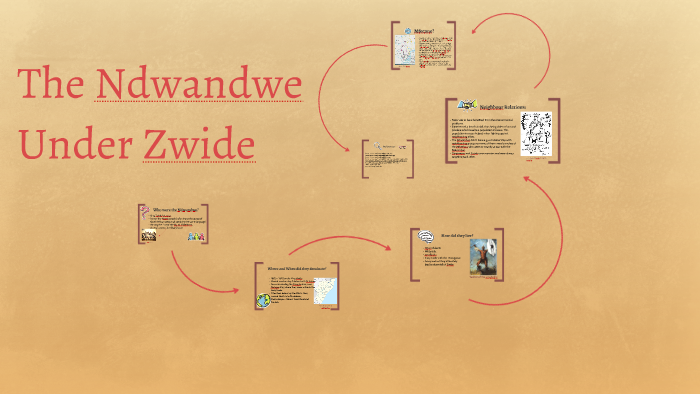
- Recently it has been found that the Ndwandwe under King Zwide were largely responsible for the Mfecane, rather than King Shaka and the Zulu’s
- They were more powerful at the time and had huge military success. They were constantly warring with neighbouring groups. They also were a bigger empire than the Zulu’s, who, at that time, were only a small minority group of the Mthethwa under Dingiswayo.
- Conducted many raids North of the Tugela river. Groups forced to move into the highveld.
- Dingiswayo and Zwide were at war, largely being won by the Ndwandwe. Dingiswayo was killed and Shaka took his place.
- The Ndwandwe were eventually defeated by the Zulu’s under King Shaka, forcing the remaining Ndwandwe to move North, thus contributing to the Mfecane.
https://prezi.com/_hoxi4ephvxt/the-ndwandwe-under-zwide/
https://lushanduko.blogspot.com/2012/08/general-list-of-nguni-surnames-or-clan.html
https://www.ngonipeople.com/2010/11/izithakazelo-of-nguni-clans.html
https://www.101lasttribes.com/tribes/nguni.html
*
Contact Admin:
Admin kan gekontak word by
volksvryheid9@gmail.com
*

 ONAFHANKLIK