*
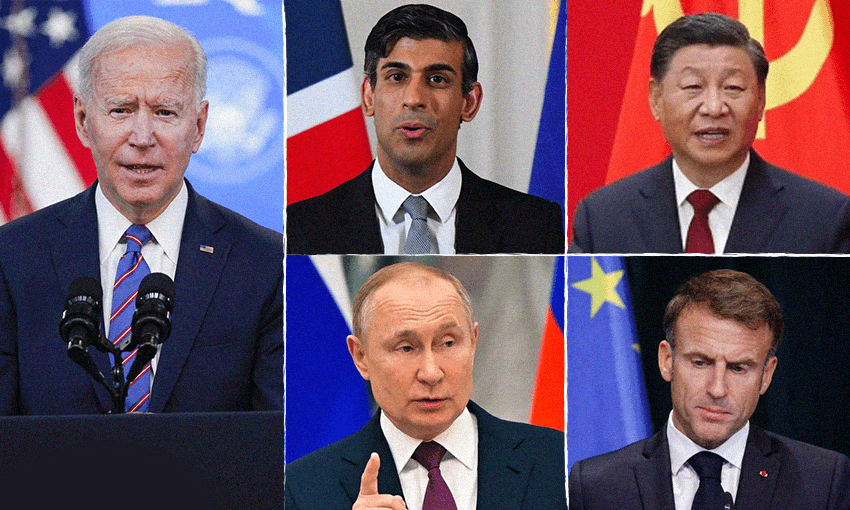
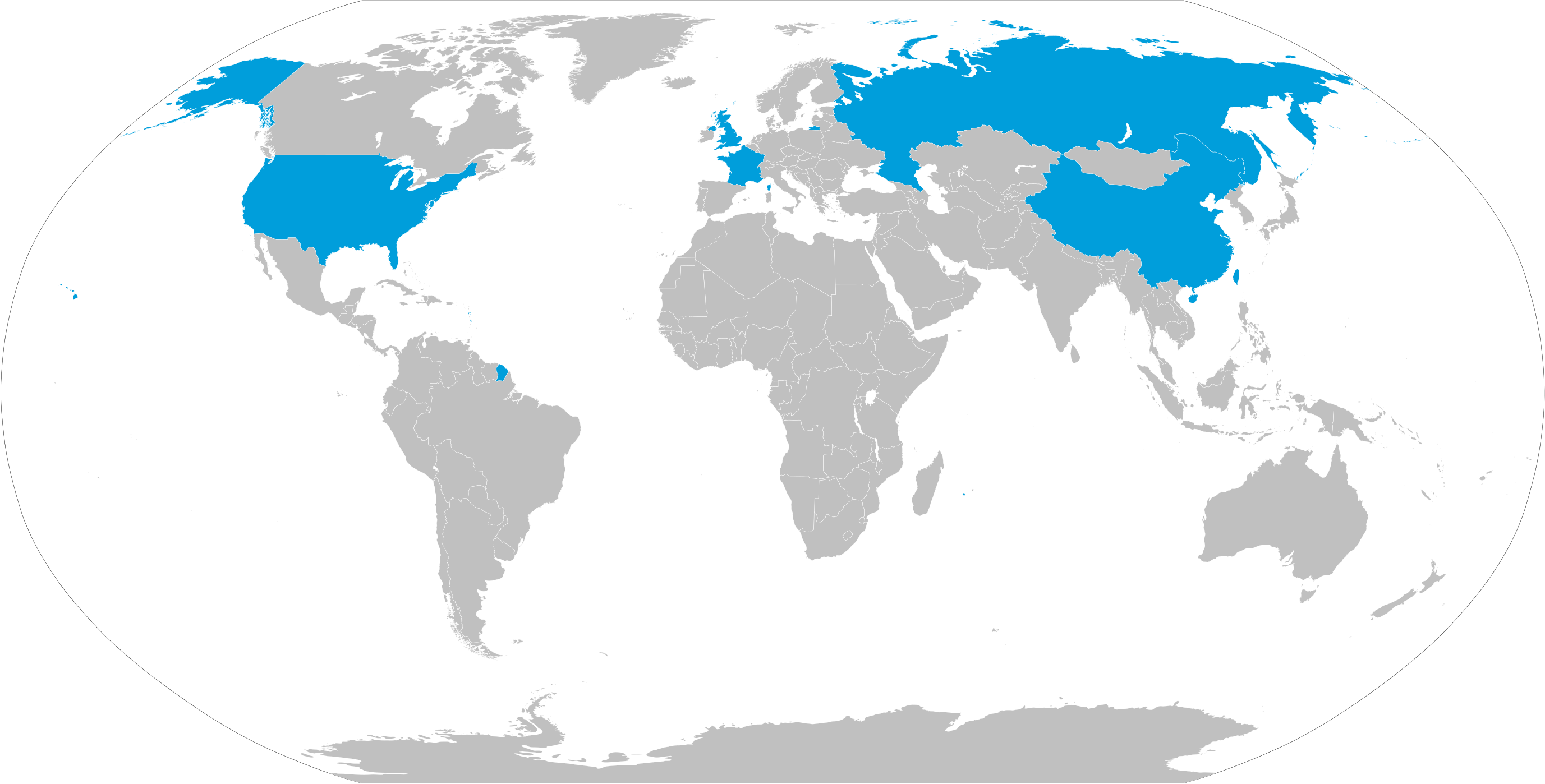
Die P5 lande is Brittanje, Frankryk, Verenigde Nasies van Amerika, Rusland en China. Hulle is die lande met veto regte by die wêreldliggaam, die VN waar besluite gemaak of gebreek word teen ander volke, nasies, lande en gemeenskappe. Dit raak alle minderheidsvolke wat graag onafhanklikheid soek soos enige ander volk en land wat dit reeds het. Terwyl dit ‘n internasionale reg is dat volke daardie reg mag uitoefen, word minderhede soms gestop om oor hulself te regeer.

*
Die Veiligheidsraad het dus vyf permanente lede – die Verenigde State, China, Frankryk, Rusland en die Verenigde Koninkryk – die noordelike halfrond beheer die lande van die suidelike halfrond. Enige een van hulle kan ‘n resolusie of besluite veto. Waarom is daar ‘n veto reg in die eerste plek? Daar is dan regte dat geen land mag inmeng in ander lande se huishoudelike aangeleenthede nie en dit raak tog ook minderhede wat onafhanklikheid soek.In 1945 was daar 99 lande wat volle onafhanklikheid geniet het, vandag is daar sowat 195 lande wat volle onafhanklikheid geniet. Veto regte het selde of ooit oorloë of rewolusies gestop, veral nie na 1945 nie.
Hierdie lande se leiers besit die alleenreg om te mag veto – en dit is al vir dekades so. Dit is ook niks anders as die skending van menseregte van spesifieke lande waar daar besluite geveto word. Alle lande behoort dieselfde regte te hê.
Om ‘n veto reg uit te oefen deur ‘n groot moondheid, meng daardie land(e) spesifiek in met ‘n land wie daar geveto word. Dit is lankal tyd om dit af te skaf want elke land, wat volle onafhanklikheid geniet, behoort nie deur groot moondhede geveto te word nie.
Niemand leef nou in 1945 nie, dit is 2025. Hoekom word oorloë nie gestop met veto regte nie – want daar is teveel handel, bomme, vliegtuie en wapens hierby betrokke. Dit moet eerder gestop word, die vervaardiging van wapens, bomme en vliegtuie om ander mense te vernietig, veral na anneksasies.
Anneksasies is niks anders as inmenging in ‘n ander land se huishoudelike sake nie. Dit is presies wat Brittanje aan die Boere republieke en ander volke in suidelike Afrika gedoen het.
*
Die Veiligheidsraad se tien verkose lede, wat twee jaar, nie-opeenvolgende termyne dien, word nie vetoreg verleen nie. Die P5 se bevoorregte status het sy wortels in die Verenigde Nasies se stigting in die nasleep van die Tweede Wêreldoorlog, ongeveer 1945. Kontinente en lande word hierby uitgesluit en het geen veto reg tot ‘n eie bestaan nie.
Oorloë is al baie lankal aan die gang. Waar daar oorlog is, is daar ook ryk neerslae van minerale te vinde. Groot moondhede is ook soms selfs meestal selfs diep hierby betrokke met sekere besluite wat gemaak is in die verlede en raak elke burger van die land waar oorloë woed.
Sekere insidente hardloop hand aan hand saam met die oorloë en groot moondhede wat lande links en regs annekseer vir minerale rykdom. Die groot moondhede het almal veto-regte in die Verenigde nasies en ook hul voorganger, die VVO. Die lande is die Verenigde Nasies van Amerika, Brittanje, China, Rusland en Frankryk. Hulle staan bekend as die P5 lande.
*
Dit is al sedert die tweede Wêreld oorlog so. Waarom moet hierdie lande uitgesonder word om veto regte in te palm , veral besluite wat ander lande en vername besluite raak? Indien daar oorlog heers, is dit juis die top P5 lande wat meestal met die oorlog saamgaan en ‘ondersteun’ en daar word nie ernstige pogings aangewend om enige oorlog totaal te stop nie.
Hoekom word oorlog dan nie gestop terwyl daar daaglikse aanvalle op lede van die publiek plaasvind of gaan dit oor wapens en verwante geldmaak uit die oorlogsmisdade. Die burgers wat aangeval word tydens oorloë, het netso ‘n reg tot lewe as die P5 of enige ander lidland. Indien die land wat in beheer is van die oorlogvoering wat byvoorbeeld in Palestina plaasvind, al 5 steun geniet, dan word die volksmoorde voort.
Quote
Abolishing the veto entirely would be beneficial for the entire international community. However, the UN charter grants the P5 veto over any charter amendments, meaning they would have to approve of any amendments to their own veto power. Given the difficulty of implementing such reform, an alternative is that the P5 should not be entitled to utilise their veto powers in the face of mass atrocities and crimes against humanity.
The US is one of Israel’s closest allies and has used its veto powers on several occasions to block any resolution that did not protect Israel’s interests. Most of these resolutions called for peace in the decades-long Israel-Palestine conflict.
*
The United Nations was created during the post-World War II era to replace the failed League of Nations and, in the opening words of the UN charter, to “save succeeding generations from the scourge of war”. The charter established six main organs of the United Nations, including the Security Council, the most powerful organ. Its primary mandate is to maintain international peace and security.
The Security Council is the most powerful UN body for the following reasons:
(i) All UN member states are obligated to accept and carry out the decisions of the Security Council;
(ii) Only the Security Council has the power to make binding decisions that member states are obligated to implement; and
(iii) Each of the five permanent members (the P5) of the Security Council has veto power over any matter voted upon by the Security Council.
The veto power held by the P5 is the most significant distinction between permanent and non-permanent members of the Security Council. The Security Council is comprised of representatives from 15 countries.
The P5 are the United States, United Kingdom, China, Russia and France. The 10 non-permanent members are each elected by the General Assembly, which comprises all 193 UN member states, for a two-year term.
The five regional groups within the UN – African, Asian, Eastern European, Latin American and Caribbean, and Western European and Others Group (WEOG) – each have their allocation of seats. This process aims to ensure equitable geographical representation and gives various regions a voice in the Council’s decision-making.
But the P5 all must agree to endorse any resolution for it to pass and any one country can vote against or “veto” a resolution to prevent it from passing. Consequently, the power of the veto often prevents the council from being effective in the face of large international crises and mass atrocities.
Israel and Palestine
On October 7, 2023, amid soaring Israeli-Palestinian tensions, Palestinian armed group, Hamas, entered Israel and killed and captured hundreds of Israeli forces and civilians. Israel declared a state of war and began striking Gaza, including residential buildings, schools and hospitals where Israel claimed Hamas militants were operating from. Since then, thousands of Palestinians have been killed, injured and displaced in airstrikes on the Gaza Strip. Millions of Palestinians have been cut off from food, water, medicine, electricity and fuel. All major UN agencies have called for an immediate humanitarian ceasefire and an unconditional release of hostages.
The recent atrocities are the culmination of the enduring conflict between Israel and Palestine. However, the role the UN has played in this conflict dates back to 1947 when the UN voted for Palestine to be divided into two separate Jewish and Arab states. More recently, the UN has been actively involved in seeking a peaceful resolution to the conflict, however it has instead highlighted the limitations and challenges the United Nations Security Council faces, emphasising the need for reform.
On October 18, 2023, the United States vetoed a Security Council resolution calling for a “humanitarian pause” to deliver lifesaving aid to people in Gaza. Twelve of the council’s 15 members voted in favour of the resolution proposed by Brazil, the US voted against, and Russia and the UK abstained. Since a vote “against” from any of the P5 prevents any resolution from being passed, the Security Council’s response to the crisis was marred by the use of the veto power by the US.
https://www.cfr.org/backgrounder/un-security-council#:
*
UN Resolution 1514 Self-determination for people
*
*
Contact Admin:
Admin kan gekontak word by
volksvryheid9@gmail.com
https://www.youtube.com/@Boervolk-b7m

 ONAFHANKLIK
[…] P5 Veto magte by Verenigde Nasies […]
LikeLike
[…] P5 Veto magte by Verenigde Nasies […]
LikeLike
[…] P5 Veto magte by Verenigde Nasies […]
LikeLike