26 June 2019 – Japan today – As a lawyer who has practiced for more than 35 years in my home country, it gives me no joy to issue this warning: Japan Inc has returned. This may come as a surprise to many – it certainly was for me. Unfortunately, this is not the country I have seen lately; instead, I have seen a country that has fiercely guarded its private commercial entities, even through use of basic sovereign powers, including criminal investigation and penal sanction.
A product of the extended recession we faced in the 1990s in Japan, Japan Inc refers to a time that many of us thought was long over, when our government worked hand-in-glove with Japanese corporations to benefit our country, leaving the international business community out in the cold.
Many thought we had reached a new chapter in our history books since, in recent years, a thriving partnership with the West has helped Japan open up its markets, facilitate free and open trade and strengthen the global economy. This has worked to our mutual advantage because, due to a decreasing birth rate and an aging population, Western and non-native executives help keep our economy humming.
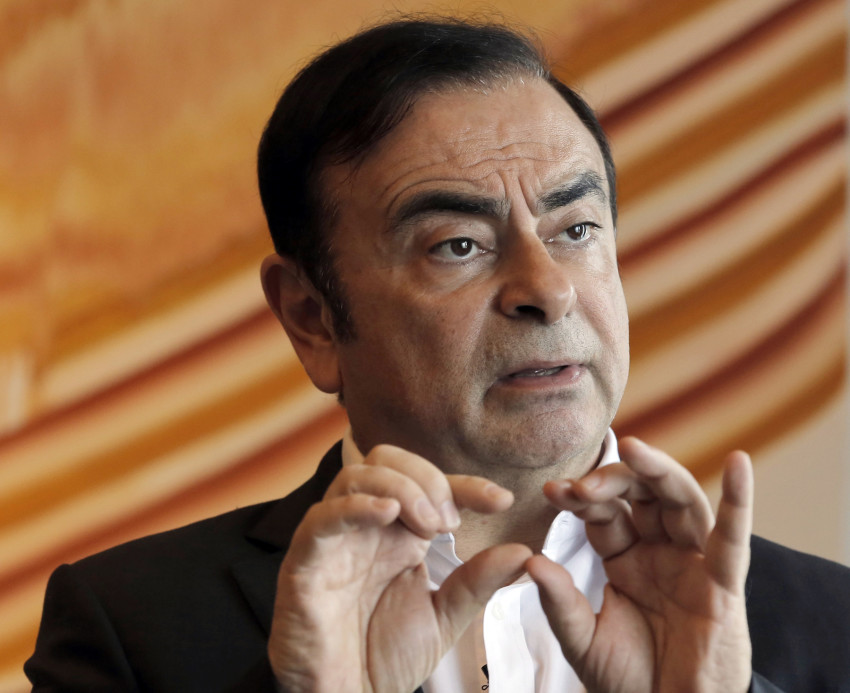
Indeed, this mindset helped bring us executives like Carlos Ghosn, who saved Nissan. Just last year, the Tokyo Stock Exchange called for corporate boards to improve diversity with regard to “gender and international experience.” In short, Japan has worked hard to build strong global business relationships and garner the respect of the international community. Which is why my home country’s recent treatment of Mr Ghosn, the former chairman of Nissan Renault and Mitsubishi, and its heavy interference into a private corporate matter, is all the more worrying. I should note that it is only out of great respect for my country that I am raising this warning flag so that we can change course. Despite the progress we have made and our attempts to say otherwise, we must acknowledge reality.
That reality includes Japan’s treatment of my client, Mr Ghosn. On Nov 19 last year, he was arrested at a Tokyo airport and was subsequently denied the most basic legal rights and protections while being detained for over 130 days. Locked up in a small cell of a detention center in solitary confinement for months on end, he was repeatedly questioned by prosecutors – without the right to have a lawyer present – in an effort to force him into confessing to crimes he did not commit. Mr Ghosn was finally released on bail, but with extremely harsh conditions, such as being under surveillance camera 24 hours a day and even being prohibited from communicating with his wife. To me, there is no doubt this treatment is a clear violation of international human rights standards.
Many now believe his arrest and treatment is part of an ongoing conspiracy between the Japanese government and a few Nissan executives to protect the company’s Japanese identity and prevent a formal merger with Renault, the French automaker. If this is in fact the case, this action came at the expense of the economic wellbeing of Nissan, which has been in a downward spiral since Ghosn’s departure.
It is important to also note the treatment of Nissan’s embattled CEO Hiroto Saikawa versus Carlos Ghosn and Greg Kelly, a former board member and senior executive at the company, who was also arrested. Kelly recently publicly questioned why Saikawa had not been arrested or similarly treated by prosecutors despite being in charge and being the person who oversaw and even approved many of the incidents under investigation.
One uncomfortable but obvious difference is that Ghosn and Kelly are Western executives and Saikawa is not. And it doesn’t take much interpretation to recognize these actions as something even more troubling – a return to a time when Japan’s economy was tightly controlled and restricted by the government, which resulted in what is referred to as our “lost decade.”
As a proud Japanese citizen, this direction is concerning for many reasons. I believe that Japan has the ability to be a true international leader because I have seen it; with Japan hosting both the G20 this week and the Olympics next year, we must act like it. Now is hardly the time for our country to pull inward and shun outsiders. Japan has made tremendous economic progress as a country over the past few decades and it is my greatest hope that we will keep moving forward. And that means keeping Japan Inc firmly in our past.
Takashi Takano is the Representative Partner at the Law Office of Takashi Takano and a member of Carlos Ghosn’s defense team.
https://japantoday.com/category/features/opinions/The-Carlos-Ghosn-case-%E2%80%93-the-return-of-Japan-Inc

 ONAFHANKLIK
[…] Opinion of the Carlos Ghosn case Carlos Ghosn – Nissan Carlos Ghosn […]
LikeLike
[…] Opinion of the Carlos Ghosn case […]
LikeLike