*
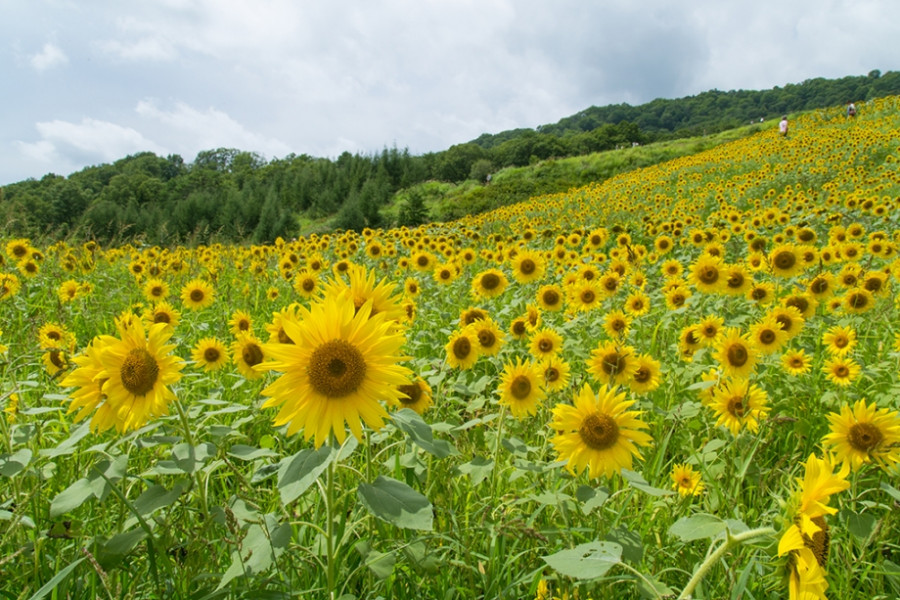
Hoe pragtig lyk die land met sy miljoene helder, kleurvolle en songesiggies nie. Die Sonneblomme, soos ander plante reik mildelik uit dat daar meer doelmatige funksies binne hul stamme en blare versteek is. Die plant(e) wat nou aangewend word om giftige toksiese kernbestraling uit grondgebiede wat byvoorbeeld deur die Hiroshima, Fukushima en Tsjernobil kernrampe veroorsaak is, te herwin en moontlik omgewingsvriendelik te rehabiliteer, is ‘n groot moontlikheid en ‘n stap in die regte rigting.
*
Dit kan ‘n groot deurbraak wees vir die omgewing en toekomstige ongelukke of wat die dooie natuur veroorsaak het. Nie net oorsee nie, ons in Suid-Afrika sit met ‘n groot probleem van water en omgewing besoedeling. Daar is groot gebiede in Suid-Afrika wat ook so gerehabiliteer kan word.
Dink net aan al die ryk plant species wat ter sprake kan wees om toksiese besoedeling uit die weg te ruim, kan dit vir ons as mense en diere belangriker word om nie met die natuur se toekoms te speel en spanning te plaas wat dit verwoes nie. Wedersydse respek behoort gekweek te word en jong geslag moet geleer word, wat doen besoedeling en/of hewige metaalverwoesting aan die omgewing.

https://www.sciencedirect.com/science/article/abs/pii/S0147651317307169
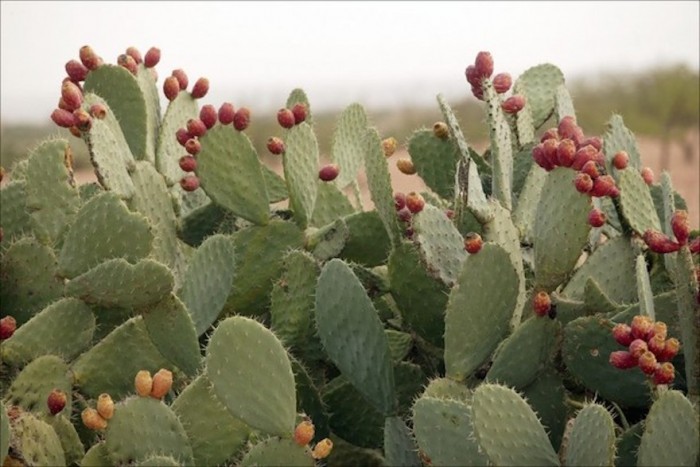
Sekere plante kan water help skoonmaak en is omgewingsvriendelik. Besmette water kan herstel word. Toestande in Suid-Afrika is gunstig vir hierdie stekerige vrug wat uit kinderdae nostalgie herroep. Turksvye kan vir baie dinge aangewend word.
https://www.unr.edu/nevada-today/news/2021/cushman-cactus-pear-paper
Kaktusstof kan ‘n groot rol speel in die voorsiening van skoon water aan gemeenskappe.
https://www.designindaba.com/articles/creative-work/nature-already-has-solution-water-contamination
Lees meer hieroor:
Turksvye – Prickley pears
*
Sommige plantsoorte is van hul kant af ernstig om die natuur om ons ‘n tweede blaas- en ruskans te gee sodat die areas weer nuttig veral in die landbousektor aangewend kan word. Die mense is dit aan die natuur verskuldig, want dit is die mense en nalatigheid wat besoedeling veroorsaak.
https://www.up-to-us.veolia.com/en/stop-pollution/plants-garden-soil-decontaminate-pollution#:
*
Sonneblomme is egter nie die enigste plante wat toksiese afval kan opneem en berg nie. Heelwat van die giftige afvalstowwe veroorsaak ernstige siektestoestande by mens en dier, terwyl die omgewing se plantegroei en gras, taan en uiteindelik vrek.
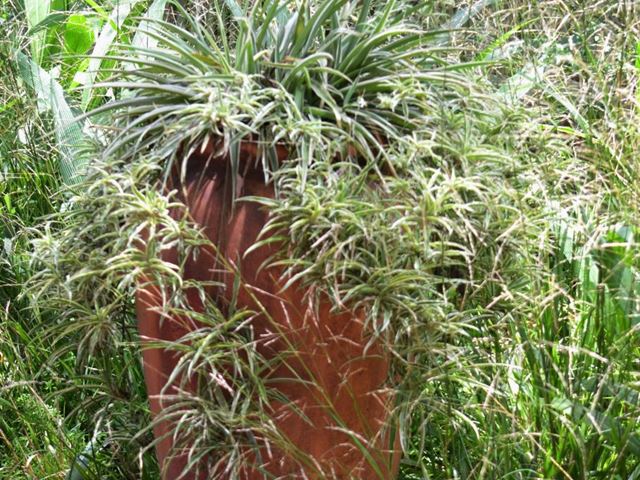
Die slangplant help ook besoedeling bestry.

*
Wetenskaplikes noem dat die Sonneblom nou hiperakkumuleerders is, wat hoë konsentrasie giftige materiaal in hul weefsel opneem. Verskillende toetse en verskillende ander plante is reeds getoets en positief uitgevoer. Sink, koper en cadmium. Dit is belangrik dat navorsing hieroor gedoen moet word.
https://environmentaffairs.blogspot.com/2018/06/sunflowers-cleaners-of-environment.html
*
Sunflowers are famed for their beautiful, bright yellow flowers, but they also can convert UV-B rays and absorb toxins. Sunflowers have been planted close to nuclear sites, including Chernobyl and Fukushima because they can absorb high concentrations of radioactive substances.
*
Die goudgeel Sonneblomme kan radio-aktiewe metale in hul blare en stamme stoor. Dit kan later afgesny en verwyder word na ‘n bergingsplek waar hierdie metale gestoor word. Verskillende toetse is en word op onder andere Sonneblomme uitgevoer om die blomme aan te wend om besoedelde grondgebiede te verbeter of taal te rehabiliteer. Ander plantmateriaal word en is ook getoets.
&
‘What a sunflower CAN do is absorb radioactive metals storing them in the leaves and stems. If the sunflowers are cut and removed to a place that that can contain those metals, then they can be used to clean up an area of radioactive contamination. Sunflowers do, apparently preferentially absorb Caesium from soil and that is the main contaminant (as the 137Cs isotope) left in the soil of the Chernobyl exclusion zone.
Bioremediation of radioactive waste or bioremediation of radionuclides is an application of bioremediation based on the use of biological agents bacteria, plants and fungi (natural or genetically modified) to catalyze chemical reactions that allow the decontamination of sites affected by radionuclides.
In other words organisms like sunflowers can be used to absorb and concentrate radioactive isotopes, which can be isolated after the plant is harvested. As these biological agents are removed, the radiation levels in the treated area diminish. It has been proven that some flowers, wheats, fungi and algae can absorb pollution, including radioactive materials like U or Cs. But also Cd or other heavy metals.
Sunflowers are interesting as they store the polluting elements in their leaves, they can be easily harvested and are not eaten by animals so that pollution is not carried around. Mushrooms are less ideal, as they are foodstock for some animals, like wild boars. In the Bavarian forests, they still find wild boars with out-of-norms amounts of radiation, because they feed on the mushrooms, many years after Tsjernobyl.
https://www.quora.com/Can-sunflowers-clean-up-nuclear-radiation
*
Kernafval is ‘n groot besoedelingsfaktor vir meeste lande wat dit wêreldwyd gebruik. Verskillende soorte plante het al bewys dat dit moontlik is dat erge besoedeling wel in plante se stam of blare gestoor kan word. Sommige plante het die vermoë om dit op te neem. Indien die skadelike stowwe in die menslike of dierlike strukture ingeneem word, kan dit verskillende kankers veroorsaak.
https://www.ua-magazine.com/2022/03/27/sunflowers-cleaners-of-nuclear-disasters/
*
Die natuur kan homself help, maar mits die mense die kennis het en opbou om die natuur weer vry te maak van besoedeling wat deur mense veroorsaak word.
https://www.youtube.com/watch?v=9T3XjWQV9Zo
*
Sunflowers are the international symbol for nuclear disarmament. You will most likely find sunflowers around areas where nuclear disasters have occurred in the past. Following the 1986 meltdown at the Chernobyl Power Plant in Ukraine, which released over 100 radioactive elements into the environment, sunflowers were planted in droves to extract the radioactive isotopes from the fallout-impacted sites.
This approach is based on the principle of phytoremediation, which employs the use of plants to cleanse the environment. The Chernobyl sunflower project was born in 1994 when a New Jersey-based company planted sunflowers on a floating raft with the intention to absorb radioactive isotopes from the water. It was observed that the plants selectively absorbed radio-cesium (137Cs) and radio-strontium (90Sr) from the water, and results indicated that about 95% of the radio-nuclides had been cleared out in a span of only ten days. In this video, we explore this magical ability of sunflowers in more detail.
https://www.youtube.com/watch?v=jKYBZF5P1PM
Mense en diere word blootgestel aan sekere gifstowwe in die lug, voedsel, water, grond en industrieë. Hierby is heelwat mense betrokke wat soms deur nalatigheid veroorsaak word.
The general public is exposed to Cd and Pb through the ambient air, drinking water, food, industrial materials and consumer products.
https://pmc.ncbi.nlm.nih.gov/articles/PMC4303853/#:
https://pubmed.ncbi.nlm.nih.gov/38202384/
*
Contact Admin:
Admin kan gekontak word by
volksvryheid9@gmail.com
*

 ONAFHANKLIK
[…] Sonneblomme en ander spesies se krag van genesing […]
LikeLike